
Latest
Email Spoofing Detection Through Header Analysis
Learn email spoofing detection via header analysis. Master DKIM alignment and Received chains to catch forged messages and spot legitimate mail.
Read more →This blog covers the parts of email infrastructure that most guides skip past — the actual headers, the specific RFC mechanics, and the forensic reasoning behind a real authentication failure or a real phishing attempt. Expect deep dives into SPF, DKIM, and DMARC (including the 2026 RFC 9989/9990/9991 split), MIME structure, header-based investigation techniques, and the kind of edge cases — lookalike domains, Reply-To hijacking, ARC chain trust gaps — that only show up once you've read enough real headers to know what normal looks like. Written for sysadmins, security engineers, and developers who want the mechanics, not just the summary.
Learn email spoofing detection via header analysis. Master DKIM alignment and Received chains to catch forged messages and spot legitimate mail.
Read more →
Learn SMTP delivery path tracing to reconstruct message routes through mail servers. Decode Received headers and spot...
Read more →
ARC's trust gap explains why cryptographic validation doesn't guarantee sender legitimacy. Discover how to build sealer...
Read more →
Email authentication results header explained: read SPF, DKIM, and DMARC verdicts, spot forged headers, and verify...
Read more →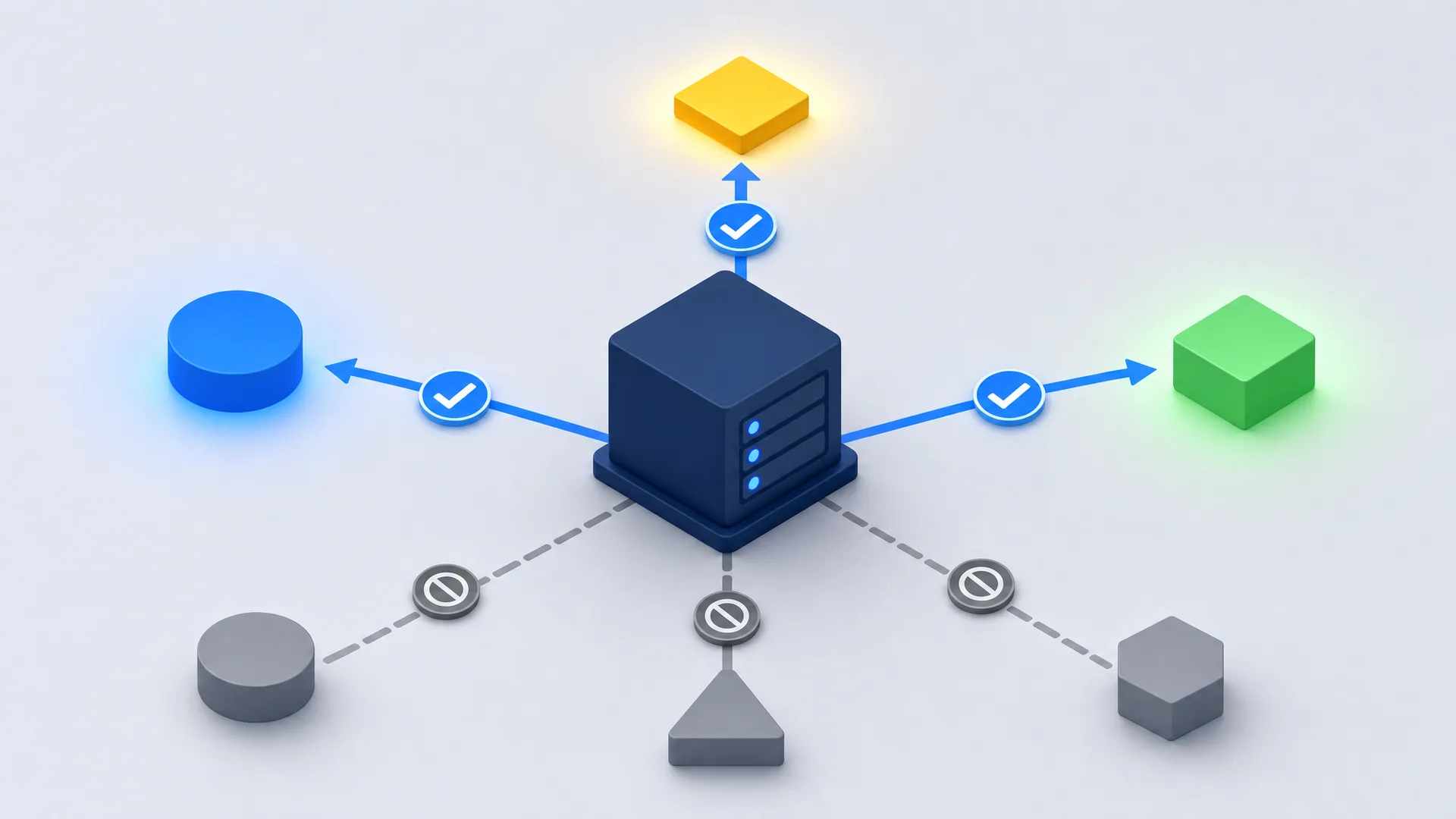
SPF record syntax explained with complete mechanism reference, qualifier rules, and evaluation logic. Debug permerrors...
Read more →
Master email deliverability troubleshooting by symptom class. Learn NDR codes, authentication headers, and spam filters...
Read more →
MIME encoding email explained: multipart structure, base64, quoted-printable, boundary parsing, and raw .eml file...
Read more →